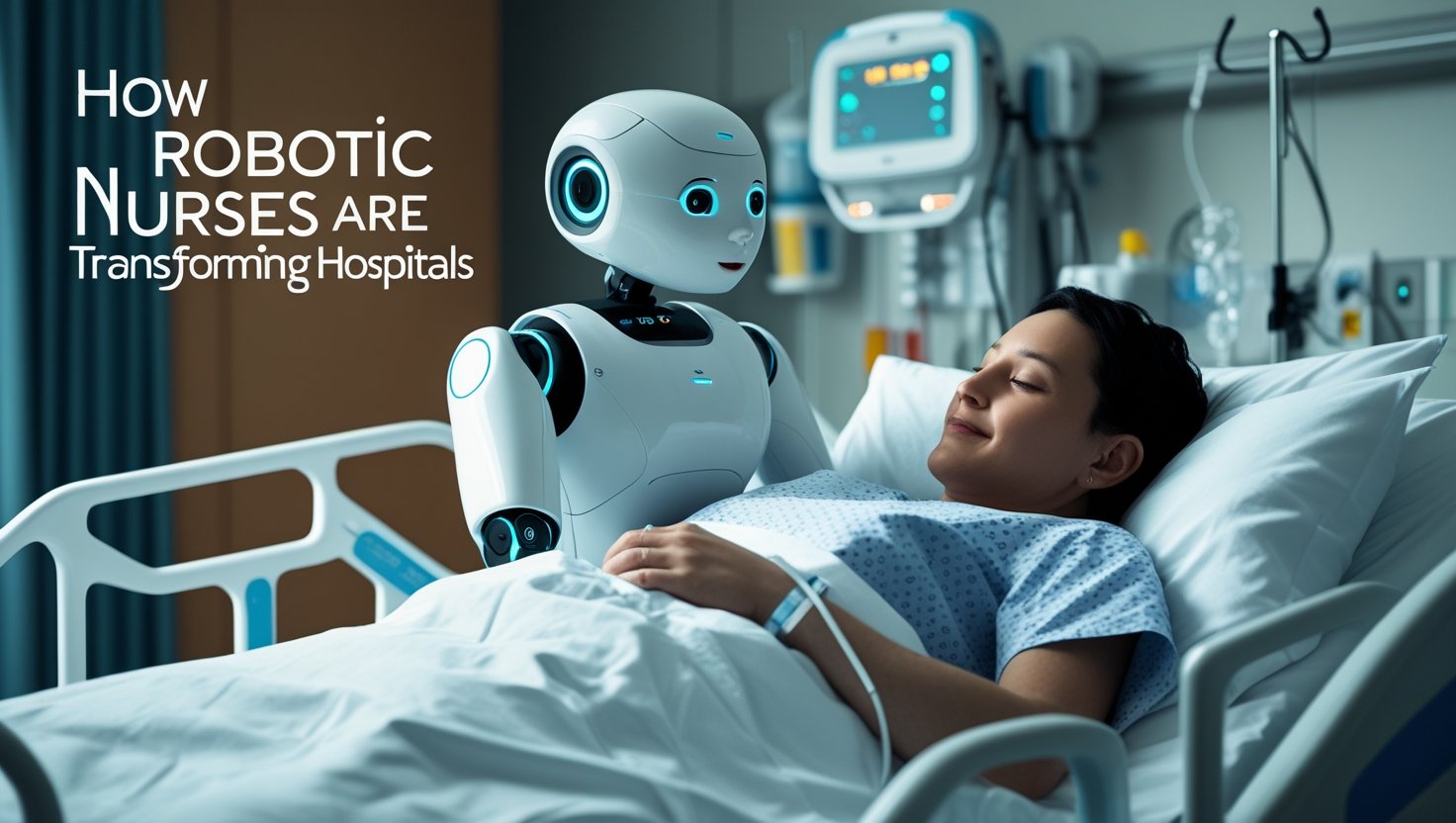
If you walk into some hospitals today, you might do a double-take. That thing rolling down the hallway with blinking lights? Nope, not a delivery cart. It’s a robotic nurse. Weird at first, but these machines are slowly becoming part of the hospital crew. They don’t replace the people in scrubs, not even close, but they’re taking over the jobs that usually eat up a nurse’s time and energy.
The Not-So-Glamorous Work:
Ask a nurse what eats up their shift and you’ll hear things like: fetching supplies, carrying lab samples, running meds back and forth. None of it is glamorous, all of it takes hours. Robots step in here. They don’t get tired. They don’t complain. And while they’re handling errands, human nurses can stay with patients instead of jogging across the building for the tenth time.
Safety First:
One of the big selling points of robotic nurses in hospitals is consistency. People get distracted, especially during long shifts. Robots don’t. If a machine is programmed to deliver meds at 8:00 sharp, it will. No delay, no forgetfulness. In a setting where mistakes can cost lives, that kind of reliability actually matters.
COVID Changed the Game:
During the pandemic, hospitals discovered another use: robots could go where it wasn’t safe for staff. They delivered food and medicine to isolation rooms, reducing exposure. Some even disinfected hallways. Suddenly, these machines weren’t just a convenience, they were part of keeping humans safe.
Still… They’re Not People:
Here’s the thing: no robot can look a scared patient in the eye and calm them down. They can’t hold someone’s hand during bad news. That’s never going to change. What robots can do is free up time so nurses actually have the bandwidth to do those human things. Call it a partnership, not a replacement.
Bottom Line:
The rise of robotic nurses in hospitals isn’t about robots taking over. It’s about shifting the balance. Machines handle the errands, the deliveries, the repetitive jobs. Human nurses stay focused on actual care, the part that makes patients feel safe and heard. Hospitals aren’t becoming sci-fi movies; they’re just learning how to use tech in smarter ways.
FAQs:
1. What do robotic nurses actually do?
Mostly tasks like carrying meds, delivering supplies, and helping with logistics.
2. Do they replace human nurses?
No. They’re support staff, not a substitute for real caregivers.
3. How do they improve safety?
They’re less likely to make timing mistakes, and they can take on risky tasks like entering isolation areas.
4. Can robotic nurses talk to patients?
Some can say simple things or give reminders, but they’re not conversational in a human sense.
5. What was their role during COVID-19?
They reduced human exposure by delivering items and disinfecting rooms.
6. What’s next for robotic nurses?
More hospitals are adopting them for behind-the-scenes jobs while humans stay focused on patient care.
