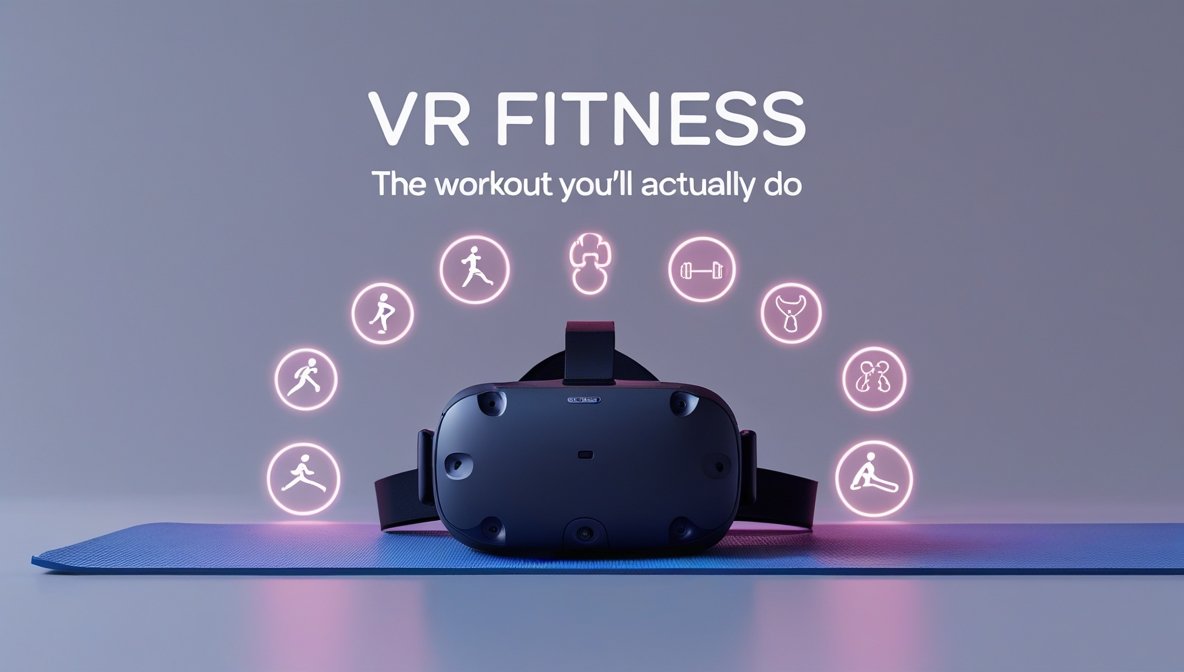
I’ve always hated gyms. The smell of sweat, the clanging of weights, the judgmental side-eyes from people who actually know how to use the machines. I’ve bought yoga mats, dumbbells, and treadmills that eventually became costly clothes racks. That changed when my friend handed me a VR headset and said, “Just try this.” Twenty minutes later, I was drenched in sweat, swinging my arms like a maniac, and completely lost in a rhythm game that didn’t feel like exercise. VR fitness didn’t just change my routine, it tricked me into loving movement. And I’m not the only one.
Why VR Fitness Feels Like Cheating:
Let’s be real: most workouts feel like a chore. You count reps, watch the clock, and wait for the pain to end. VR fitness is different. It turns exercise into play. Whether you’re slashing beats in Beat Saber, boxing in Supernatural, or dodging arrows in Holopoint, you’re so focused on the game that you forget you’re working out.
I used to dread cardio. Now? I genuinely look forward to dancing through a 30-minute session in Dance Central. The key is immersion. When you’re inside a virtual world, your brain is too busy having fun to notice your body is burning calories.
The Surprising Science Behind the Sweat:
You might think VR workouts are “light” or “not real exercise.” Think again. Studies show that a vigorous VR session can burn 8-12 calories per minute, comparable to running, rowing, or HIIT. How?
- Full-Body Engagement: Unlike traditional workouts that often isolate muscles, VR fitness uses your entire body. Squatting to dodge obstacles, swinging your arms, twisting your core, it’s functional fitness in disguise.
- High-Intensity Intervals: Most VR games use natural interval patterns, bursts of intense action followed by brief rests. This keeps your heart rate up and metabolism firing.
- Mental Stimulation: You’re not just moving, you’re strategizing, reacting, and adapting. This dual physical-mental engagement can actually make workouts feel shorter and more effective.
I wore a heart rate monitor during a BoxVR session and hit 160 BPM. I was too busy punching flying cubes to even notice.
You Don’t Need a Home Gym:
One of the biggest barriers to fitness is space and cost. Treadmills are huge. Dumbbells are expensive. Gym memberships add up.
VR fitness requires:
- A VR headset (Oculus Quest, PlayStation VR, etc.)
- About 6×6 feet of clear space
- Enough enthusiasm to swing your arms around without hitting your TV
That’s it. No commute, no monthly fees (after the initial purchase), and no waiting for the squat rack to free up. I train in my living room and sometimes even my office during lunch breaks.
The Games That Don’t Feel Like Workouts:
Not all VR fitness apps are created equal. Here are the ones that turned me from a couch potato into a VR athlete:
- Beat Saber: The gateway drug of VR fitness. Slashing blocks to music feels like being a Jedi DJ.
- Supernatural: Like having a personal trainer in a breathtaking virtual world. New workouts daily.
- FitXR: Boxing, dance, and HIIT classes with killer music and motivating coaches.
- Pistol Whip: Part shooter, part rhythm game, squatting to dodge bullets never felt so cool.
- Synth Riders: Like Beat Saber but with more full-body movement and funky neon vibes.
I’ve punched, slashed, and danced my way through hundreds of workouts without ever feeling like I was “exercising.”
The Mental Health Bonus Nobody Talks About:
Exercise is great for the body, but VR fitness does something extra for the mind:
- Stress Relief: There’s something deeply satisfying about punching virtual targets after a long day.
- Flow State: The combination of music, challenge, and immersion can put you in a zone where time flies and worries fade.
- Accessibility: For people with social anxiety, chronic pain, or mobility issues, VR offers a private, low-impact way to stay active.
During lockdown, VR fitness wasn’t just my workout, it was my therapy.
The Bottom Line:
VR fitness isn’t a fad. It’s the evolution of exercise, fun, accessible, and brutally effective. It turns the dreaded daily grind into a game you actually want to play. Whether you’re a fitness fanatic or a confirmed couch-lover, there’s a VR workout out there that will make you forget you’re breaking a sweat. I still don’t like gyms. But I love VR fitness. And for the first time in my life, I’m consistent, not because I have to be, but because I want to be.
FAQs:
1. Do I need an expensive headset?
Entry-level options like Meta Quest 2 start around $299—cheaper than a year’s gym membership.
2. Can VR fitness build muscle?
It’s great for cardio and toning. For heavy strength training, you’ll still need weights.
3. Is it safe?
Yes, if you clear your space and take breaks to avoid motion sickness.
4. How long until I see results?
Consistent users report better stamina, weight loss, and improved mood within weeks.
5. Can kids use VR for fitness?
Yes! Games like Beat Saber are family-friendly and get everyone moving.
6. Will I look stupid doing it?
Probably. But you’ll be having too much fun to care.
